


Ayurveda is often introduced through its treatments — the oils, the poultices, the steady stream of Shirodhara. But the treatments are the last step. What comes first is a way of describing a person: their constitution, their present state, and the distance between the two.
The five elements
Classical Ayurveda describes the material world through five elements — earth, water, fire, air and space. These are not literal substances so much as categories of behaviour: what holds together, what flows, what transforms, what moves, what gives room.
The three doshas
Those elements combine into three functional principles, the doshas, which describe how a body works rather than what it is made of.
- Vata — air and space. The principle of movement: breath, circulation, impulse, thought.
- Pitta — fire and water. The principle of transformation: digestion, metabolism, perception.
- Kapha — earth and water. The principle of structure: cohesion, stability, lubrication.
Everyone has all three. The proportion differs from person to person, and that proportion — prakriti, one's constitution — is understood to be settled early and to remain a reference point for life. What changes is vikriti: the current state, and how far it has drifted.
Why consultation comes first
This is the reason an Ayurvedic practice does not work from a menu. Two people arriving with the same complaint may be given different preparations, different therapies and different diets, because the framework is describing them, not the complaint.
Treatment here begins with consultation rather than a catalogue.
Dinacharya: the shape of a day
Alongside treatment, classical texts give a great deal of attention to routine — dinacharya, the ordering of a day, and ritucharya, the adjustment of that order across the seasons. When to rise, when to eat, when the principal meal should fall, how to move. Much of what a residential programme does is simply hold a person inside that rhythm long enough for it to take.
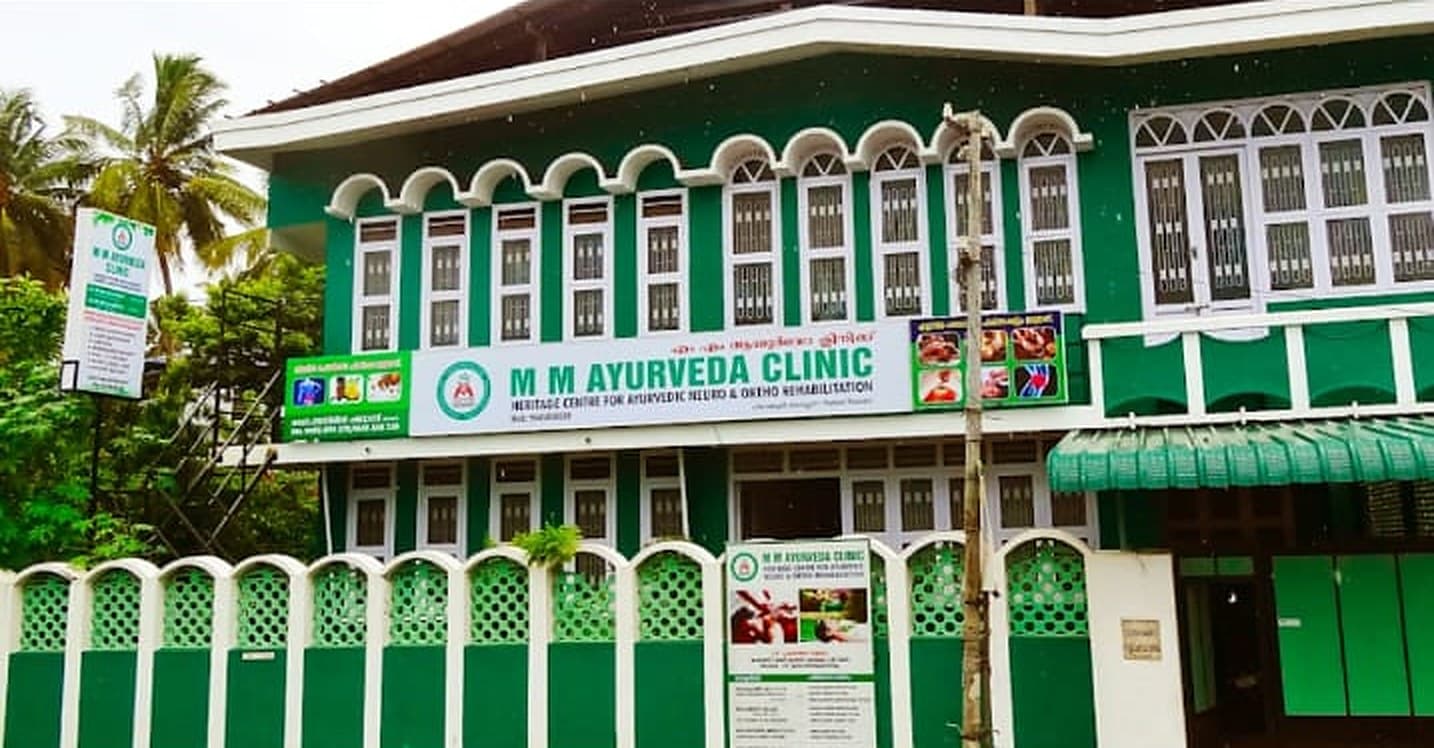
a closing section on how this framework is applied at MM Ayurveda and Aptaveda, to be written with the clinical team.